KING JOE II

Rebuilt by New Kounan Heavy Industries from the remains of the original, the second iteration of King Joe is meant to be a defensive robot that’s used to protect Earth from the likes of alien invaders. New Kounan Heavy Industries even plans on giving King Joe a new computerized brain so it can operate on it’s own accord, in comparison to the Pedan’s piloted Joe, with the hopes of even making more of these guys.

While one would anticipate correctly that King Joe’s new AI would cause the robot to go out of control, there’s an extra wrinkle that makes it extra complicated. You see, right around the time King Joe is about to finish construction, the mysterious Rahakuma Stones, appear in Japan. Said to have been utilized by the people of Mu, the stones were used in meditative rituals and are said to be the universe’s “copy machine”. Any thought can be turned into reality by the stones, such as the daughter of the president of New Kounan Industries wishing for her father to be replaced by a kinder dopplerganger. However, the stones show off their terrifying power, as they cause TDF Chief of Staff Kaiji’s fears of King Joe going berserk to manifest and cause the robot rampage, uttering only the words “MURDER. KILL.”.
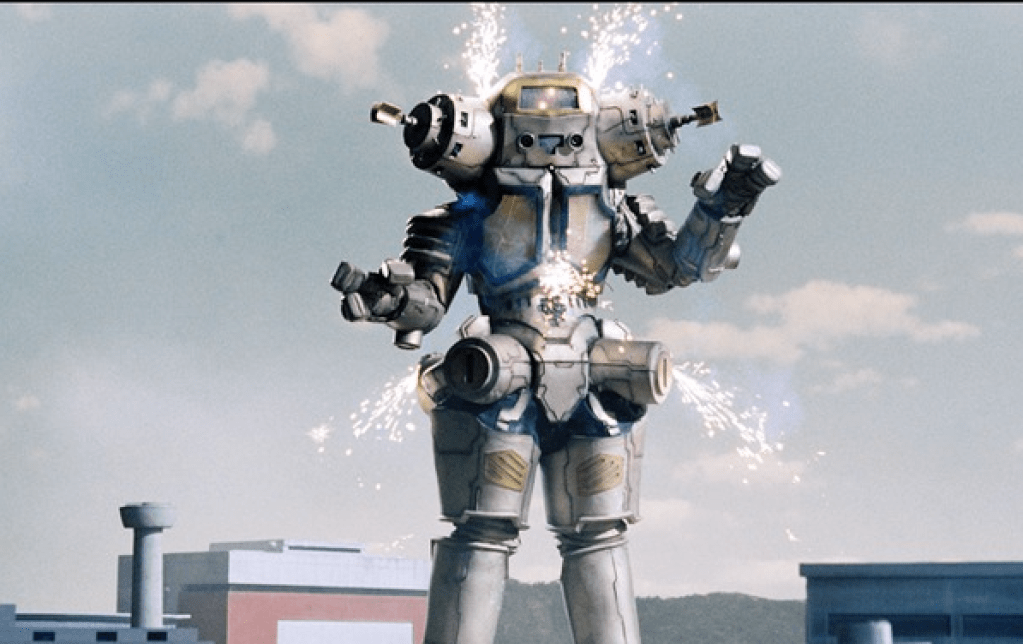
While the inclusion of ancient psychic rocks is interesting, it feels a bit too much in what otherwise would be a regular robot rampage story. That being said, I love how it’s not just faulty technology that causes King Joe to go back to his old ways, but rather humanities anxieties over the unknown that eventually causes this to occur. It’s some interesting stuff, even if it’s a bit of New Age magic rock mumbo jumbo.
King Joe II himself however, is a wonderful upgrade to the original, and dare I say, perhaps my favorite version of the robot. While there isn’t a whole lot changed with the design, the extra detailing around the body just makes this guy almost feel like a zombie King Joe, almost as if he spent 30 years putting himself back together to emerge out of Kobe Bay looking for revenge! Additionally, this new and improved Joe manages to put up quite the challenge for Ultraseven, and even is able to separate and recombine himself faster than the original, allowing him to dodge Seven’s projectile weapons more effectively! Even after Seven is able to stop King Joe by repeatedly hitting the robot with his Eye Slugger, the robot’s body is enough to chip Seven’s weapon. You don’t mess with King Joe II man, he’s a take no prisoners kinda guy!
While King Joe II is mainly relegated to this particular branch of the Ultra Continuity Tree, many of the features of this King Joe, such as being AI controlled and able to separate and recombine his components to dodge, were later utilized for the King Joes seen through the Heisei era. Additionally, King Joe II’s origins in being a man-made defense system come into play later in the New Generations, such as 2018’s Ultraman R/B, where the robot was intended to be part of Makoto Aizen’s Earth Defense team, but most famous of all, King Joe being rebuilt into the King Joe STORAGE Custom in 2020’s Ultraman Z, but that’s an iteration we’ll save for another time.
CAPSULE MONSTERS

Of course, it wouldn’t be a proper Ultraseven revival without the Capsule Monsters! Near the end of the 1999 specials, Kazamori manages to summon Windom and Miclas again to help aid him. While I am glad to see the characters again, I do find it’s odd it’s taken a few years for them to reappear in the specials themselves, as I feel like they would’ve been at the forefront ala Eleking. The first of the Capsule Monsters to return is Windom, and while it is great to see him again, he feels a bit cheaper compared to the Windom in the original show. I think it’s eyes, the baggier arms and dirtier color scheme that make this Windam feel a bit off compared to the classic one. That being said, since Windom met his end at the hands of the Guts aliens in Ultraseven, this Windam’s origins are a bit murky. Ultrasevenism implies that the capsules that hold Seven’s monsters has a healing ability, allowing Windam to recuperate after taking mortal damage from the Guts aliens. However, some works such as Ultraman Pictorial #2, as well as Ultra Monster Retsuden both hint at the idea that this might be a separate Windam.
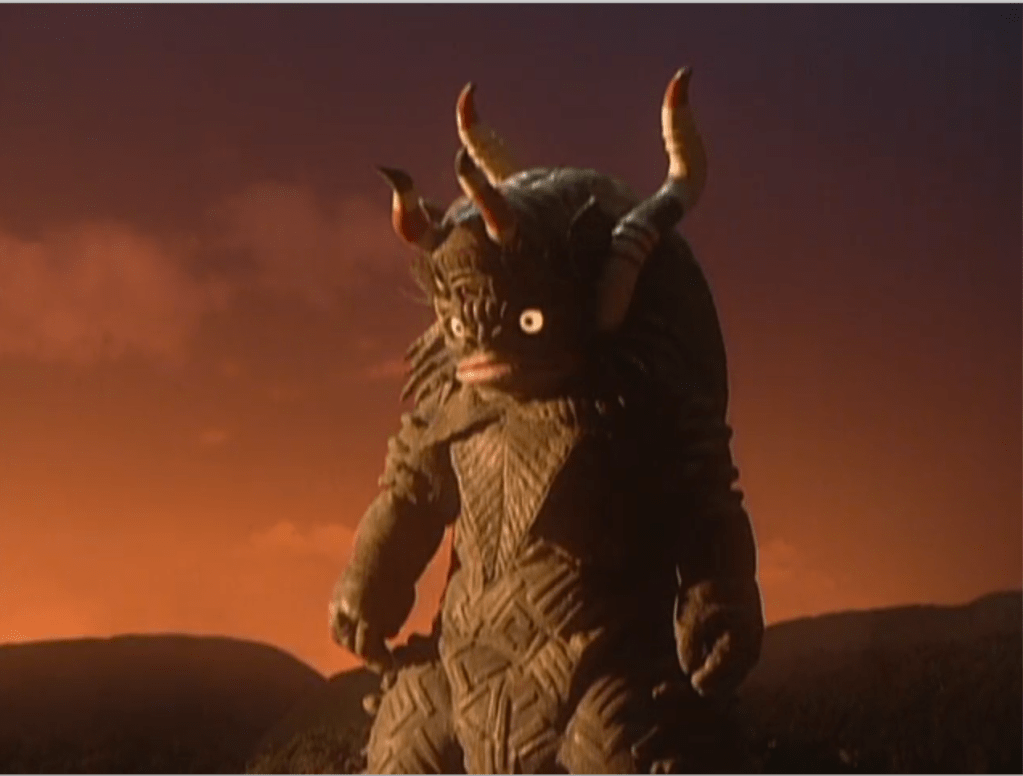
Miclas also returns here, and being my favorite Capsule Monster, it makes me very happy to see him in action again. He’s maybe a bit cheaper looking than the original Miclas, but he’s still got that charm. The Miclas costume seen here was a suit meant for special events, and Masahiro Tsuburaya, the then current president of Tsuburaya Productions requested it be modified for usage in the Heisei Ultraseven specials, with the team then creating a new Windam suit to go along with it (Sorry Agira, you’ve got another decade before you can come back).
ZABANGI

The opponent for the final episode of Ultraseven 1999, we have a lot of stuff to talk about in regards to this guy, his masters, as well as the alien invaders whom Zabangi goes up against. So, once again, as a heads up, there are some major spoilers here for the series, so consider yourself warned.
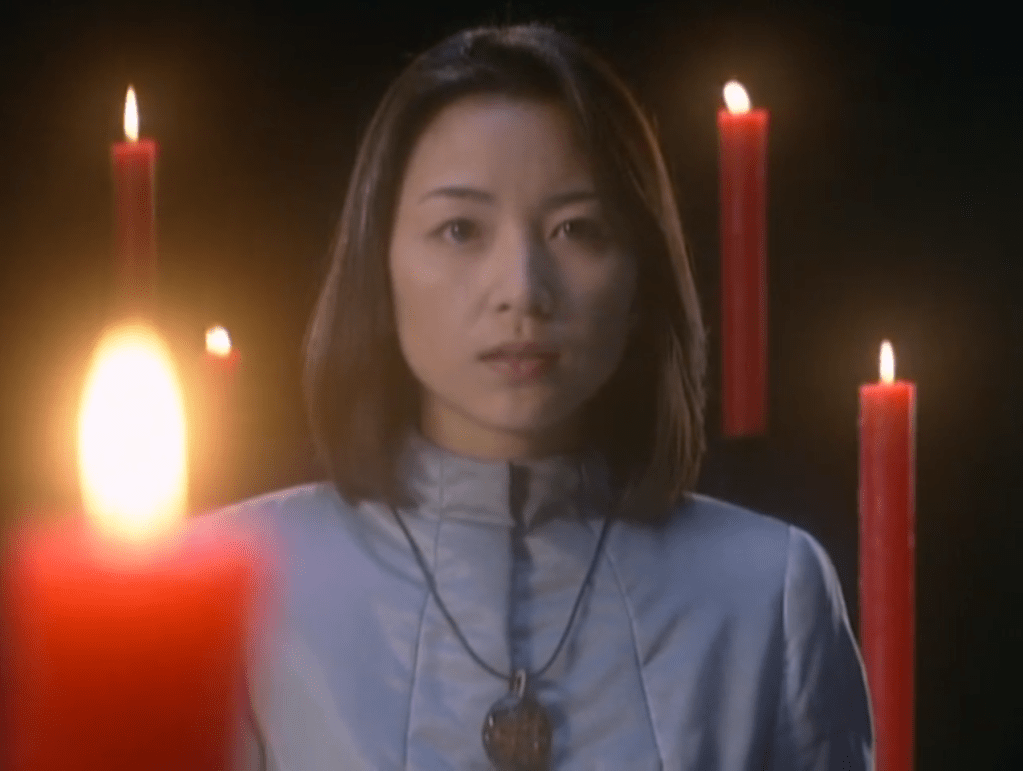
You see, Zabangi isn’t just any alien pawn, rather, he’s the guardian deity of the Nonmalt, the sea-dwelling beings from the original show who claimed they were the planet’s original inhabitants. A member of the Nonmalt hints to Ultraseven that the higher-ups at the TDF are hiding a collection of forbidden information known as the ‘Omega Files’. The Nonmalt woman states that what Seven finds in those files will change his perspective on the human race entirely.
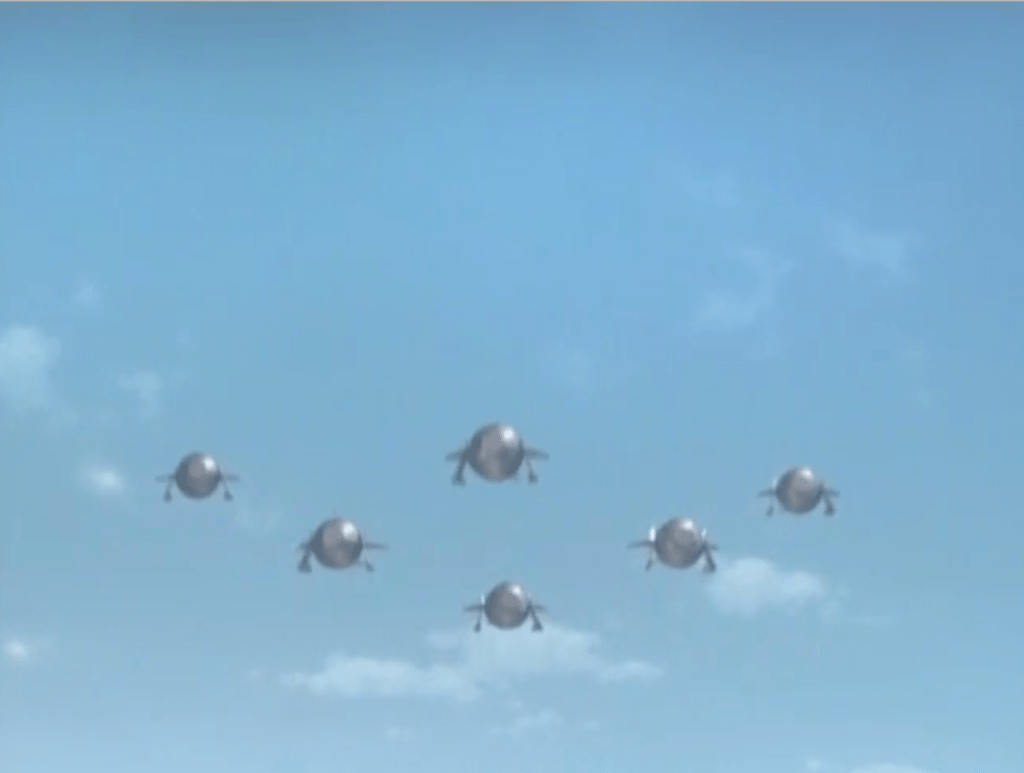
What is in the Omega Files is an earth-shaking revelation: Humanity is not of this Earth. The Nonmalt were the true inhabitants of the world before an alien race that modern man descends from, invaded the Earth and drove the surviving Nonmalt into the sea. Wow. While Seven is convinced to fight for humanity after the Ultra Guard manages to steal the files from the TDF and broadcast them into space as an attempt to prove to the universe that they aren’t the invaders their ancestors were and want to change, the Nonmalt send Zabangi to stop the broadcast, only for Seven to step in, still loving humanity despite their origins. However, Seven broke intergalactic law by allowing the “invading” human race to remain, forcing the hero to be imprisoned in the Horsehead Nebula.
While this isn’t the final special in this series it certainly feels like a perfect end to this setting. Having the Nonmalt return as the antagonists, as well as revealing that humanity was the invading alien race all along is such a compelling concept, and it’s one that sticks with you. It’s a shame this isn’t the conclusion to this particular entry, but regardless, it still is an incredibly strong tale.
On the subject of Zabangi, I certainly think he’s one of the more underrated obscure kaiju out there, and while he’s not the final boss of these specials, he certainly feels like he’s got enough of an intimidating presence to sit alongside the ranks of guys like Zetton and Black King in my eyes. Adding to his deadliness, Zabangi manages to defeat Miclas and Windam at the same time, mortally wounding the monsters, this guy means business! Akihiko Iguchi drew upon stone paneling as well as kimonos for the monster’s design, in order to give him a regal look, something I think he succeeded in.
PEGASSA

While the 1999 specials were meant to be the end for the series, 2002 would see the release of the Ultraseven: EVOLUTION miniseries, which would be the true conclusion for this particular entry. I’m not the most keen on EVOLUTION, as it feels like it goes into some really bizarre and esoteric directions, as well as continuing off from what was in my mind, a perfect ending, making it feel like an excursion that maybe didn’t need to be done. Additionally, in order to keep fans interested, the series was released out of order, putting the more-action oriented episodes first. This practice makes Evolution a bit hard to follow at first if you’re going in not knowing any of this at all.
That being said, Evolution does start off on a very strong note by bringing back one of the most iconic aliens from the original show: The Pegassa. Here, we discover that there were more survivors from Pegassa City before it was destroyed and survived on Earth, hiding out. The surviving Pegassans are now split into two camps, the moderates who want to live peacefully on Earth, and the extremists who want to take revenge for what occurred, and plan to destroy humanity by utilizing a weaponized Dark Zone, as well as sneaking their forces into the TDF to stop Ultra Guard.
The idea of the surviving Pegassans being split among two camps of those wanting revenge, and those wanting to just survive is an incredibly interesting one, and I’m glad the writers of Evolution remembered that particular plot element to develop a story from. I do like how while the extremist Pegassans want to destroy the Earth, it is still possible to feel a ton of sympathy for them because after all, we were the ones who blew up their home.

I should make mention of the leader of the moderate Pegassans, Sayuri, who is disguised as a daycare teacher (the same one who was a mother figure to new Ultra Guard agent Yuki). Sayuri is of course, played by the very talented Hiroko Sakurai of Ultra Q and Ultraman fame, and she gives a really great performance of a kindhearted, but tragic alien and she steals the show from the younger cast members.
GODOLA

Helping out the extremist Pegassans in overtaking the TDF, the Godola plot to take control of the TDF’s automated weaponry, which would allow them to conquer the Earth with ease. When the Ultra Garrison plants a bomb in TDF HQ to stop them, a Godola manages to trap them all in a dream world.
Godola has always been one of my favorite aliens from the original Ultraseven, and having them return to trap our heroes in the recesses of their minds makes for one of the best episodes of Evolution in my book. Additionally, I love the factoid that they were allied with the extremist Pegassans, as it makes a lot of sense that particular group of aliens would ally themselves with genuine invaders to help their cause. It’s a fun way to connect different elements from the show together.
NEW HUMAN CHILDREN
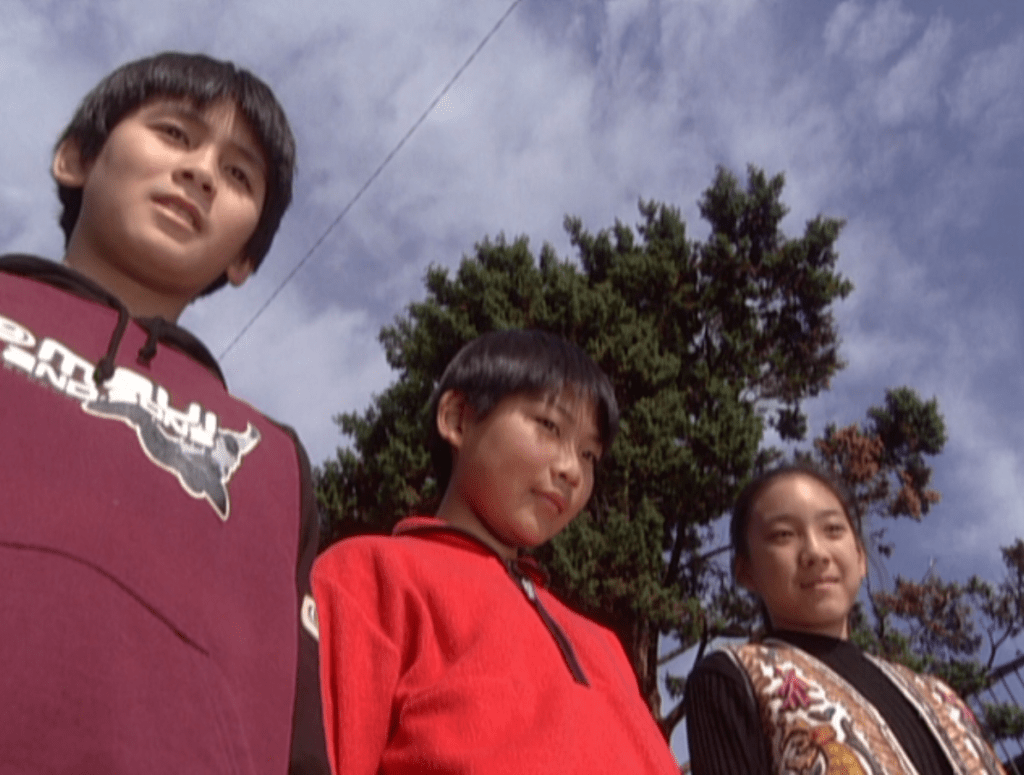
Perhaps not quite the usual kaiju or aliens we tend to see, but the New Human Children are just as evil and conniving as any rubber monster suit invader. The next step in humanity’s evolutionary line, the New Human Children plot to overtake the Earth and replace their predecessors while the Ultra Guard is busy dealing with Godola and Pegassans secretly controlling the Earth using a special frequency emitted by cell-phones (just go with it). However, one of the kids doesn’t seem to want to go along with their plans…
I can’t talk much about their designs due to being kids, but the idea of a trio of psychic, evil children makes for an interesting, albeit somewhat strange foe for an Ultraman show. The New Human Children obviously tie into the evolution theme this particular arc has, and it seems a bit odd that they’re relegated to this one particular episode and don’t play a larger part in the rest of this arc.
NEO PANDON
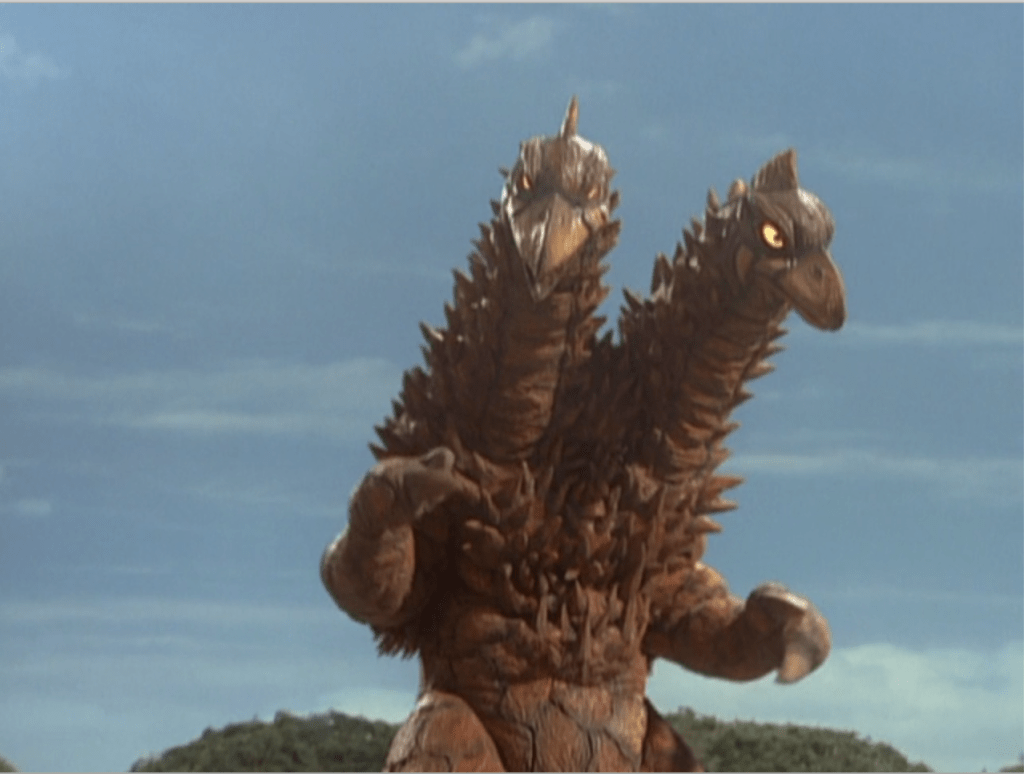
A recreation of the original Pandon, Neo Pandon is utilized by the true villain of this particular arc to try and stop a freed Ultraseven, who managed to escape the Horsehead Nebula and fuse himself with Kazamori once again. Neo Pandon, additionally, is also used to spread a new type of plant-based lifeform that figures into the main villain’s plans (more on that in a bit).
Of course, Heisei Ultraseven needs to bring out the last, major iconic monster before wrapping up. Neo Pandon’s a bit different than the original, and those who know their Ultra factoids well should pick up on that Neo here is based on Ikeya’s original design for Pandon, rather than the one seen in the original finale to Ultraseven. While I am a huge fan of the Pandon we got, I think it was a clever idea to try and recreate Ikeya’s original concept, and I think they did a fantastic job in doing so, especially with how they incorporated some aspects of the 60’s Pandon in there as well. He’s not as imposing as the original, but he’s not a bad update at all, even if I prefer what came before.

We also get some elaboration as to how Pandon is controlled, as the device that the Ghose used in their invasion is brought back, and we’re told that Pandon reacts to the emotions and mindset of whoever is holding it. Those who are filled with hatred and anger cause the monster to go berserk, while someone pacifistic like Mitsuko (above), will make the monster calm down. It’s a little more Ultraman 80 than the kind of harder science Ultraseven tends to deal with, but hey, alien technology is weird, I can buy it. Which, speaking of Mitsuko….
THE PLANT LIFEFORMS
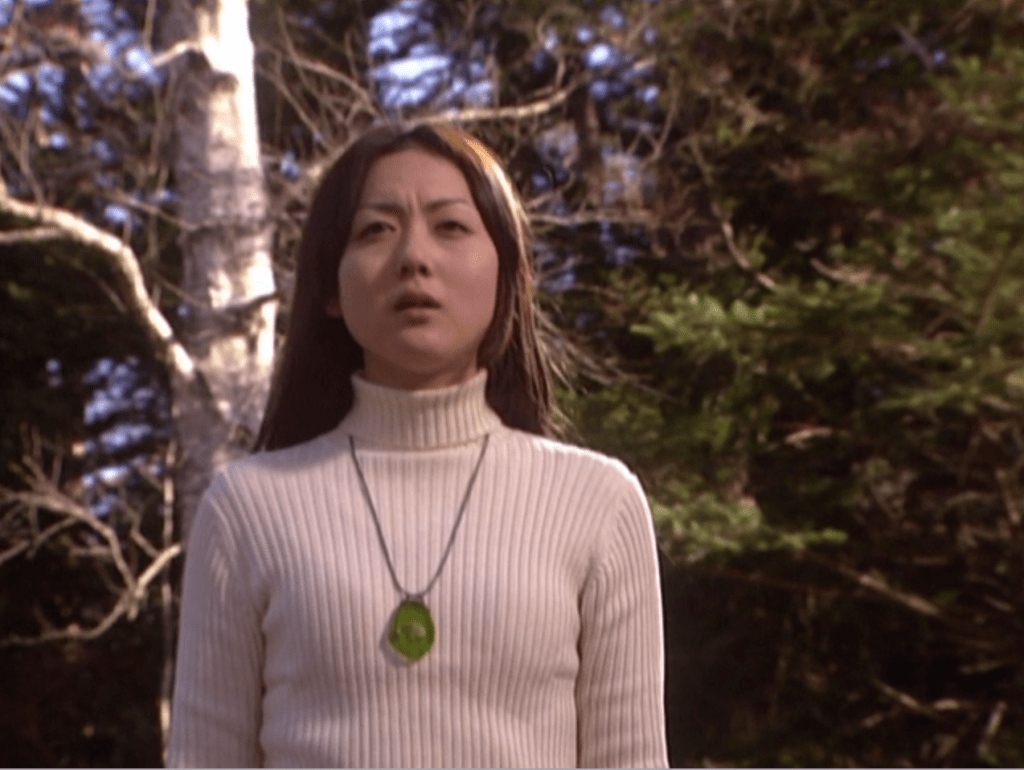
A new species of sentient plant-based lifeforms that are said to overtake humanity and become the new masters of the Earth, the Ultra Guard initially views Mitsuko, a member with this race with fear, but the pacifistic girl proves to them and Kazamori that she means no ill will.
Again, can’t comment too much on Mitsuko here since she’s well, literally just an actress, but the idea of plant-based humanoids suddenly popping up and possibly supplementing humanity is a decent concept. That being said, I do like it they do show that Mitsuko doesn’t wish to overthrow the human race, as that’d be a fairly predictable twist. We do get some fun tidbits about what her species is like, such as the fact that they mature incredibly quickly and the ability to revive dead vegetation.
DISK DRAGON
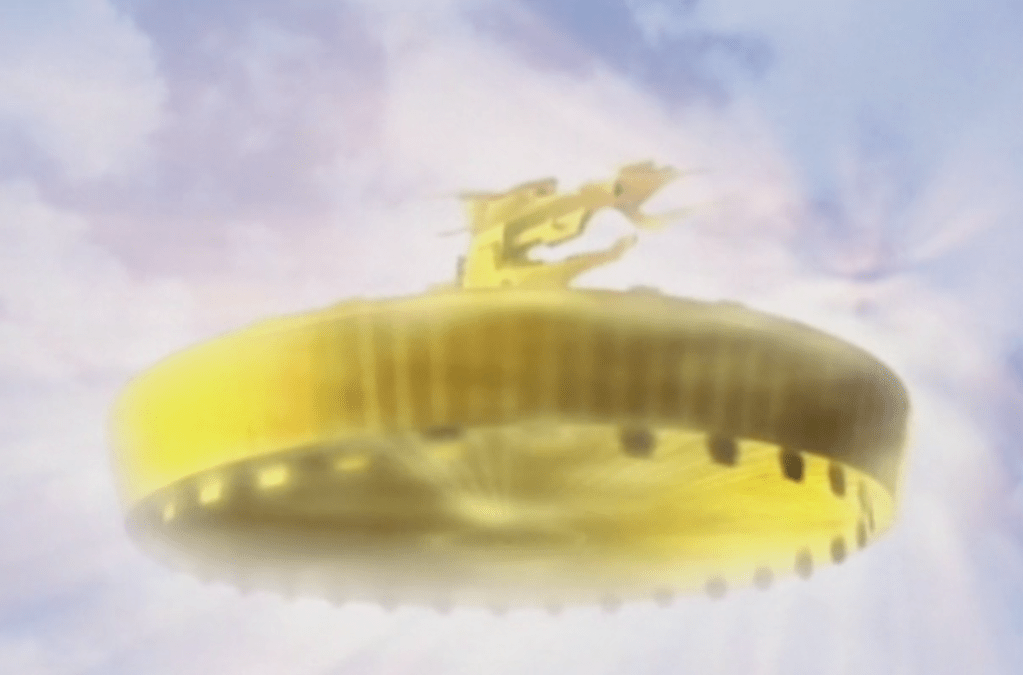
A cosmic observer, the Disk Dragon is seen numerous times on Earth, and while initially mistaken for an enemy, the Disk Dragon only wishes to observe what occurs on the planet, and is even responsible for freeing Ultraseven from his imprisonment.
I can’t say too much on the Disk Dragon’s design since it’s well, it’s just Nurse. You think this would be commented upon in the show, but it’s not, which raises an eyebrow or two. Since the Disk Dragon is an entity that watches over the development of planets, perhaps it had observed Planet Wild way back in the day, which inspired the design of Nurse? There’s also just the question of what exactly the Disk Dragon is exactly and why he observes planets. Is he something as old as the universe? Did some long dead alien race create him to study worlds and then he’s just been doing it since? Is he some sort of deity? Who knows…
GARUT AND GAIMOS
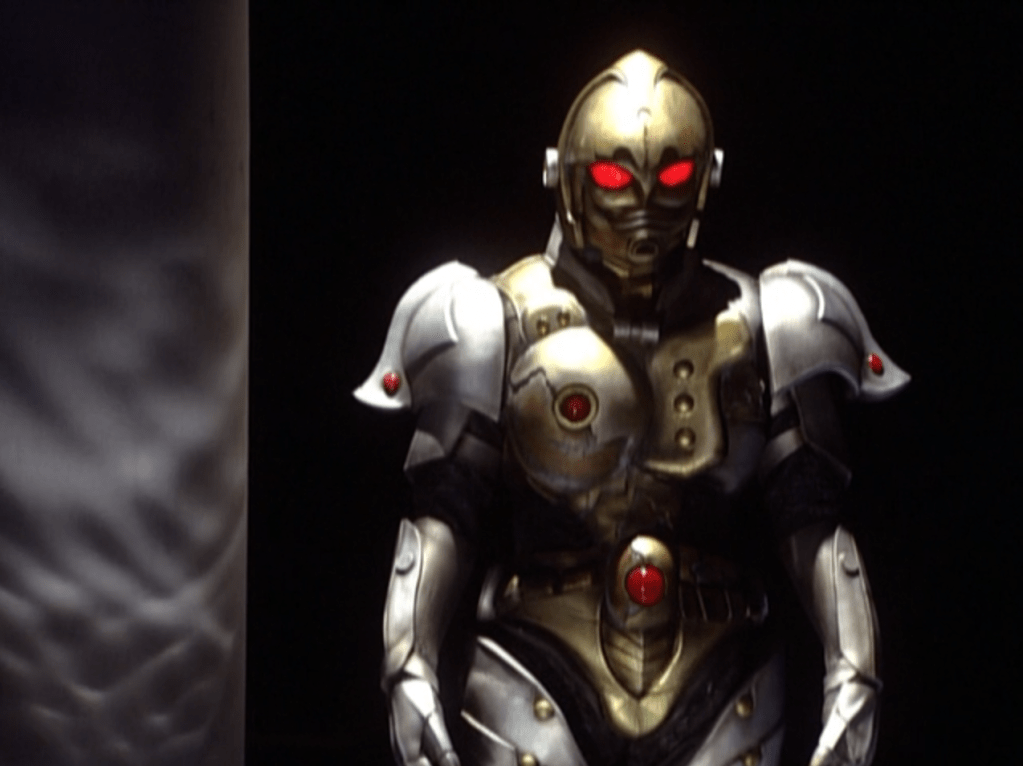
Claiming to be a mere interplanetary observer who wishes to see how living things on Earth undergo evolution, Garut is instead, an invader who has designs on ruling over the planet, and is responsible for all of the various threats seen in the Evolution arc, from aiding the Pegassans and Godola to overtake the TDF, giving psychic abilities to the New Human Children and Pandon’s revivial.
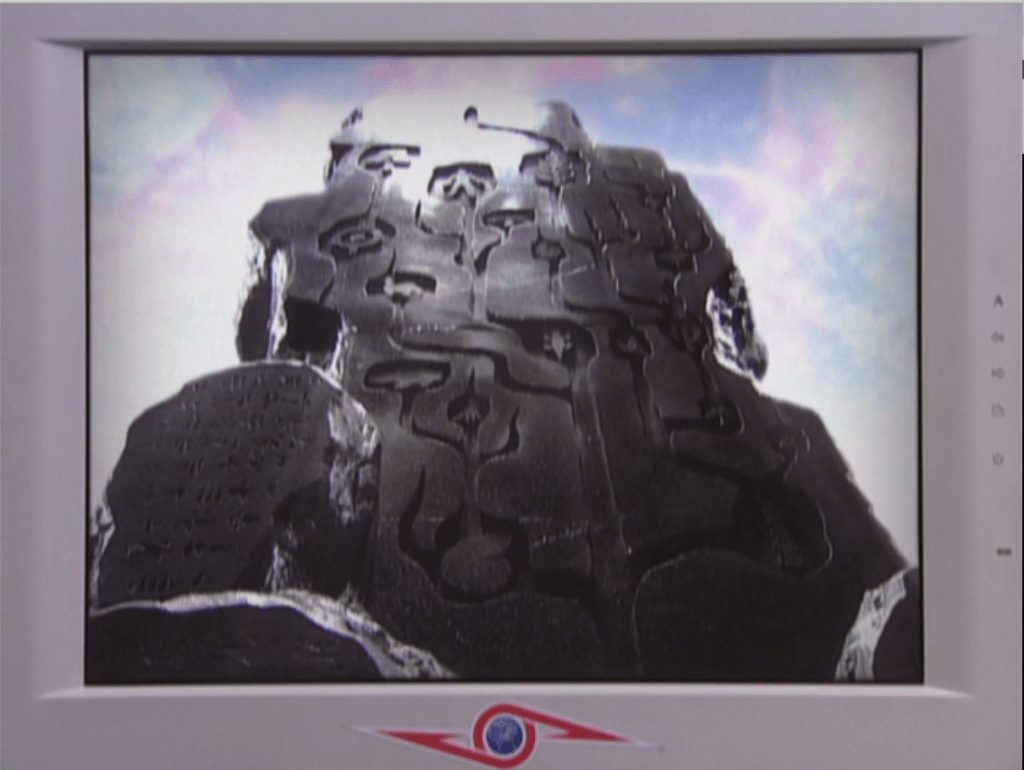
Garut’s master plan deals with the Akashic Records, an interdimensional recording of all of Earth’s past, present and future history. The records show that humanity and the Plant Lifeforms will exist in perfect symbiosis in the future. However, Garut rewrites what the records say, making it seem to the Ultra Guard that the Plant Lifeforms are a threat to humankind. Garut plans on altering what will come to pass and have the Plant Lifeforms to replace humanity and then rule over them. When this fails, Garut summons his kaiju, Gaimos, for the final battle against Ultraseven.
Garut’s an interesting guy, I’ll say. I’ll fully admit, I do think his plan is a bit too esoteric for the most part. I’m not saying the Ultra Series can’t dip into such topics, but it does veer into hardcore Theosophy for a sequel series to one of the more science fiction oriented works in the franchise. His design is a pretty cool mechanical one, and while we never get full confirmation that this guy is a robot, the fact that he looks like a machine and speaks about being an observer of Earth’s evolution makes me think he or his race transformed themselves into machines, making them incredibly long-lived. Garut wasn’t originally intended to grow giant in the final battle, but the staff enjoyed the design so much, that it was decided to include him. Garut was voiced by Tomokazu Seki, who voiced many other aliens through the Heisei era, but is most famous for voicing the hero Glenfire.

His kaiju, Gaimos, definitely feels like he stepped out of Ultraman Ace with that utterly insane design. Like, look at this guy! He’s got a face popping out of his face, and that strange ring on his chest is really just part of a tail that’s coming out of his back! This guy is wild as hell! He doesn’t have the same sort of grandiose presence as Zabangi, but man, he looks mean as hell, and much more grotesque compared to many of the Ultra kaiju. It’s said inUltraman Official Data File that Garut created him by fusing multiple creatures together, which would certainly explain just why he’s so hideous.

Gaimos was designed by Akihiko Iguchi, who took inspiration for the monster’s unique split-faced design from a Buddha statue in Saihoji Temple, located in Kyoto.
 Easter's Kaiju Kompendium