Kemular

Kemular is one of those few monsters from the original show that I just find too plain. Even with the beetle-like shell he has, he’s not too visually interesting and all the monster really does in his story is spout poisonous smog, it’s as vanilla as they come. In addition, the monster’s weakpoint is a glowing red organ on top of his back like he’s a rejected boss from Legend of Zelda.
Kemular takes his name from an unmade Ultra Q episode titled Kemular’s Counterattack, albeit the monster in that scenario was a giant caterpillar rather than the sort of weird lizard Kemular is. In addition, Kemular early on was supposed to have a split jaw (hence the seam in his mouth), but it wasn’t utilized in the end.
THE UNDERGROUND PEOPLE AND TELESDON
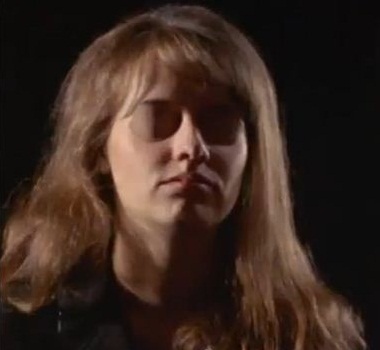
After infiltrating the Science Patrol, these subterranean humans kidnap Hayata and bring him deep within the bowels of the Earth. They reveal to Hayata that they were the original inhabitants of the surface world before the Ice Age had driven them underground. They plan on brainwashing Hayata in order to use Ultraman as a tool for conquest.
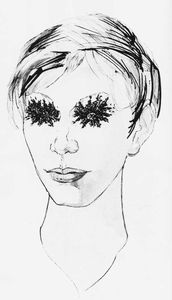
While the Underground People look a tad laughable by today’s standards with the patches meant to simulate the lack of eyes not quite holding up, I do think they retain their effectiveness as villains. The idea of an advanced race of humans living under the surface without us noticing is a genuinely frightening concept and is really reminiscent of a lot of nightmares I had as a child. And I’ll even go to bat and defend the eyes, they’re not the best special effect, but it’s enough to land them right in the uncanny valley. They kicked around several concepts for the Underground People such as having no features at all or crystalline eyes as seen above, and as in most cases, I think the right decision was made in the end.
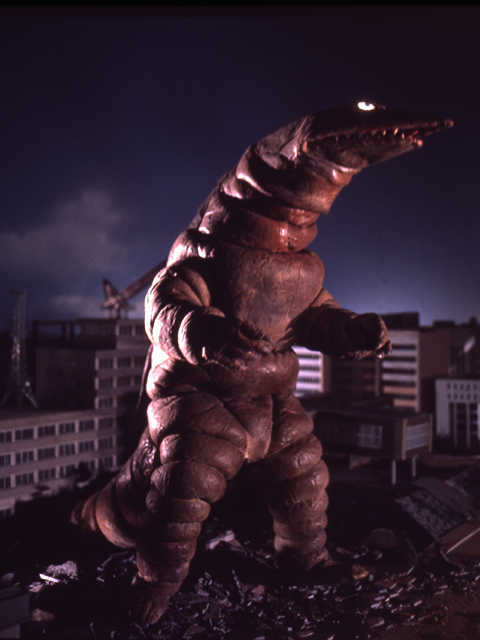
Their monster, Telesdon isn’t too bad either, looking like a cross between a dinosaur and an earthworm. He’s a monster that hits that nice sweet spot of being really simple without being too bland or forgettable. I’m a big fan of his long snout too as it gives him a sort of “Muppet” look to his face and as a long time Dungeons and Dragons player, he brings to mind the Bulette, a famous burrowing monster from that game. The Bulette and several other D&D monsters were inspired by knockoff monster toys sold in the 1970’s and I have to wonder if the toy itself was meant to be a bootleg Telesdon.
Telesdon would later show up in the original show in episode 37. The suit itself would later be repurposed as Detton in episode 3 of The Return of Ultraman and the monster would later make several reappearances through the Heisei era. His masters would be absent for 49 years until they were both reunited in episode 3 of Ultraman X, an episode were appropriately enough, Telesdon would gain the power to spin like a gigantic drill.
JAMILA
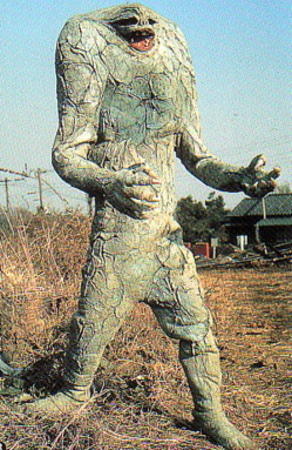
There’s quite a bit to unpack with ol’ Jamila here. What starts off as a run of the mill alien invasion episode with an invisible UFO becomes one of the most tragic stories in all of Ultra.
The Science Patrol’s principles are tested when the truth about Jamila is revealed-rather than being another alien invader, Jamila is instead a former astronaut. Lost and abandoned during the Space Race, Jamila mutated and returned to Earth to exact revenge. Ultraman is able to kill the creature by exploiting Jamila’s weakness to water, but it’s hardly a victorious occasion and the image of the dying Jamila writhing in the mud is haunting.
The episode itself never gives us any clear answers to what happened to Jamila and honestly, we don’t really need one. The mystery of just how poor Jamila got to be this way fits the offbeat dream logic a lot of great Ultraman episodes have and it really adds to the tragedy and even horror of the episode. It’s a great piece of commentary regarding the mistrust of the government and how powerful nations use and throw people away, something still relevant as it was in 1966.
Tohl Narita broke away from his rule about not drawing a deformed human body here for Jamila and I’m incredibly glad he did so. While I’m not sure how he felt designing Jamila, I think he created another masterpiece. The cracked, grey skin covering the slab shaped body is a truly memorable design and it’d make for an unnerving alien, but knowing that this thing used to be a human being puts the design on a whole ‘nother level. According to a kaiju anatomy book I own, the reason Jamila’s body is so warped is due to his brain growing too big which is a really morbid little factoid. Speaking of morbid, Jamila’s roars are all slowed down baby cries, except of course when he perishes!
GUBIRA

I’ve always enjoyed Gubira visually. It’s a really aesthetically pleasing monster and the white, yellow and black go together wonderfully. Narita based Gubira on a triggerfish, which was something I did not know about until I did research for this page. I always had Gubira pegged for being a narwhal due to the drill, so I was pleasantly surprised to find out something new regarding this guy.
Gubira was never one of the more popular Ultraman kaiju, but someone at Tsuburaya Productions clearly likes him as Gubira’s made numerous appearances in recent years in sympathetic or even heroic roles.
GIGASS
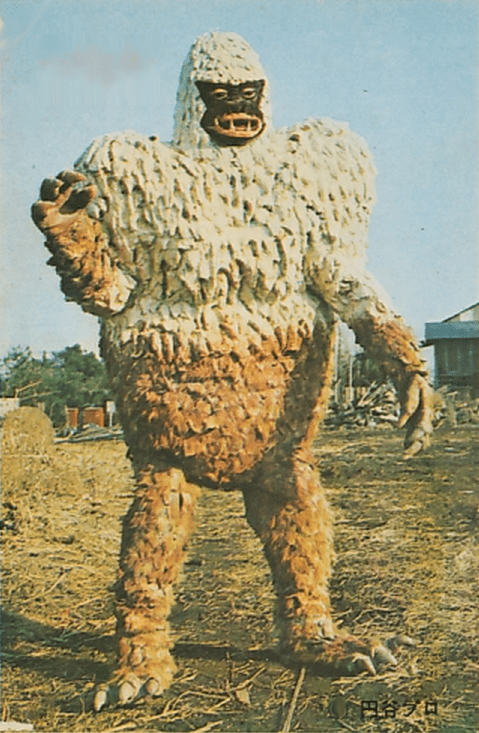
Gigass is one of three kaiju in episode 25 (sharing the spotlight with Dorako and Red King II) and of the three he’s pretty much the throwaway monster, even being killed by the Science Patrol rather than Ultraman. But for a throwaway monster, I can’t help but find him cool. I’ve always been fond of yeti-styled monsters and Gigass is a good representation of one. The crew did really well in remodeling the Hydra suit into a really unique looking monster and he’s a lot cooler than if it was just an ape suit painted white. I really dig the odd body shape and color scheme he has, the white on the top with the brown on bottom is really evocative of a snow-capped mountain range.
DORAKO
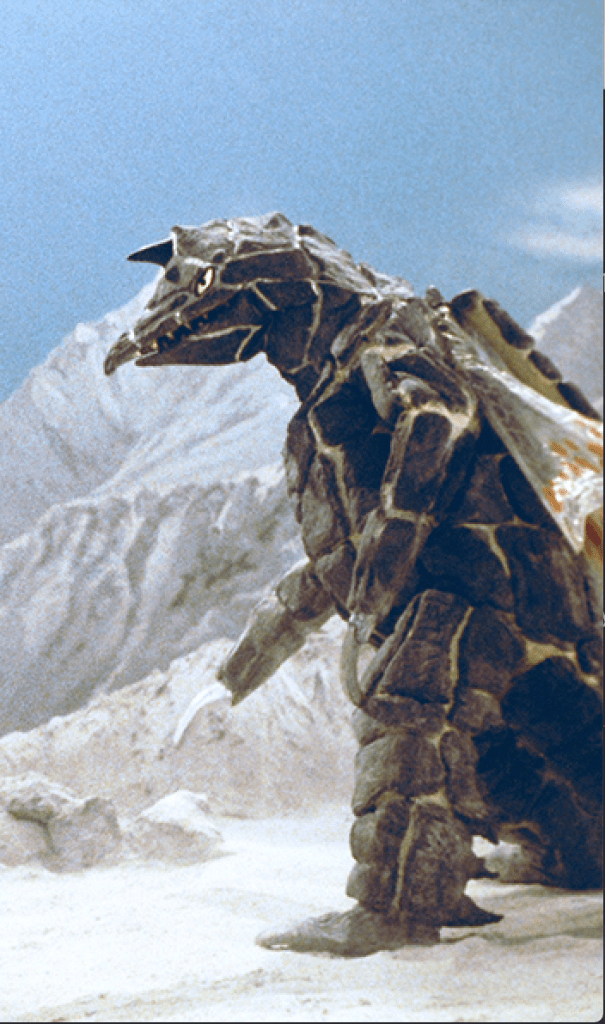
Dorako’s another one of the three monsters from episode 25, The Mysterious Comet Tsuifon, hailing from the comet itself and landing on Earth. While he’s basically a sacrificial lamb just to show how tough Red King II is, I’ve always thought he was one of the more underrated monsters and looks good enough to carry an episode alone. I think my favorite feature of his are the white cracks along his body and the black scales make him really striking against the snowy setting of the episode.
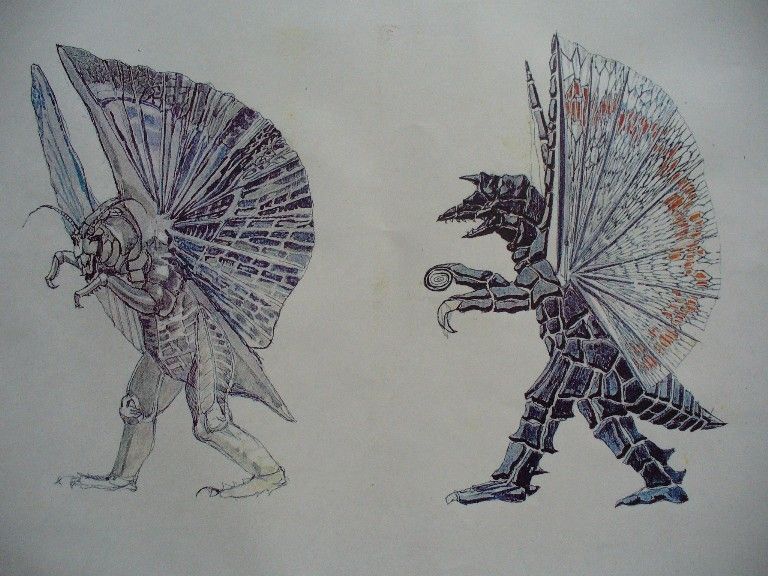
As you can see in the original concept art, Narita originally designed Dorako as a grasshopper monster and while it’s not a bad monster design, I much prefer the final version. I’m honestly more of a fan of taking healthy inspiration from nature and applying it to a brand new creature than doing a straight 1:1. Something to note as well in Dorako’s concept art is the coiled whip on the right arm. This feature actually made it to Dorako’s suit and even some merchandise at the time, but was changed to another hook in the final episode. I haven’t been able to find a clear reason why this is, but I assume it was just easier to operate.
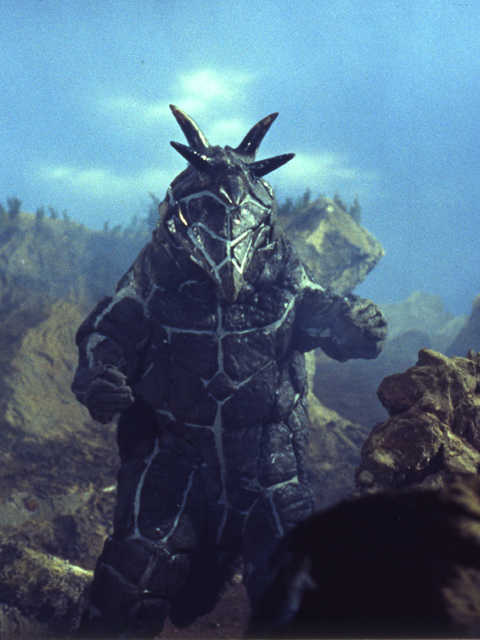
Dorako would return in episode in 37 as Re-Dorako, having been revived by kaiju chieftain Geronimon. This version would lack the wings of the original suit and replace the hooks with actual hands and add spines to the top of the head from Imola, a monster from Tsuburaya’s other show at the time, Kaiju Booska. Again, I’m not exactly sure why these changes are made, but Red King was originally in place of Re-Dorako’s role in the script, so I wonder if these changes were deliberately done to make him more reminiscent of Red King. Dorako would later pop up sparingly through the Heisei era.
GOMORA

Well, we’re finally at him, arguably the most popular Ultraman Kaiju of them all. If we were to compare all of the various monsters and aliens to Pokemon, Gomora would be Pikachu. There’s a whole lot to cover with this guy, but for now, let’s focus just on his appearance in the original show. Gomora was a monster captured from the Johnson Islands for research, only to escape in Osaka. Ultraman shows up to battle the monster and for the first time…loses. Gomora is strong enough to knock Ultraman around like a ragdoll and force the alien to retreat once his Color Timer starts to blink. Only in the following episode is Ultraman able to defeat the monster.
Right off the bat it’s pretty obvious that Gomora being so tough is why he’s so remembered. The guy is able to last a full two episodes, defeat Ultraman in the first one and is still a huge challenge in the rematch, he’s earned his title of Monster Prince. While monsters like Red King and Antlar were certainly no pushovers, Gomora’s a whole different can of worms and I can only imagine just how shocking it was to see Ultraman be defeated for the first time by viewers. That being said, while he certainly is the biggest threat seen in the show at this point, I do view Gomora pretty sympathetically. The poor thing is dragged from his home to some strange land and by the end of the two parter, gets his tail shot off, his nasal horn broken off as well as one of the horns on his head before Ultraman finally kills him. The image of the mutilated Gomora futilely trying to dig away before his death is quite sad and I honestly feel more sympathy for him than any of the humans in that pair of episodes. Many people must have felt that way, seeing as how Gomora has gone from monster of the week to a bona fide hero who has had two TV spinoff series with him as the star in the late 2000’s.
Gomora’s design is a simple, but very iconic one and to be quite honest, I think it could stand toe to toe with such classic Japanese monsters such as Godzilla, Rodan and Ghidorah in terms of iconic stature. The crescent shaped horns were inspired by samurai helmets used during the Warring States or Sengoku Period of Japanese history and it not only gives Gomora an iconic, recognizable feature, but also subtly gives us an impression of just how awe-inspiring Gomora is.
DADA
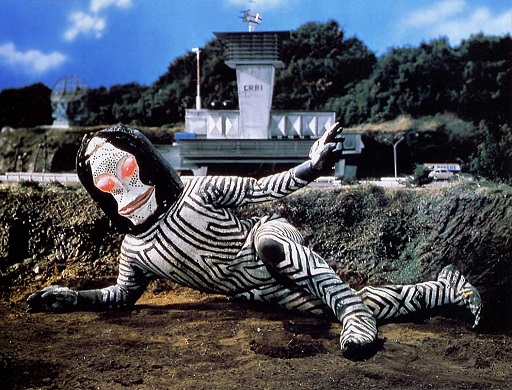
As alien invaders go, Dada is probably Ultraman‘s scariest and strangest. I recall when I first watched the show alongside my younger sister years ago, she thought Dada was terrifying and after reviewing the episode, I can see why.
Dada is an alien that arrives on Earth and begins capturing human specimens by shrinking them down with a strange gun. We’re never told exactly why Dada is kidnapping people, but I think that only adds to the creepiness. The rest of the behavior Dada exhibits in the episode is unnerving as well, swapping out faces, teleporting around and roaring “DADA”, it’s like something out of a child’s nightmares.
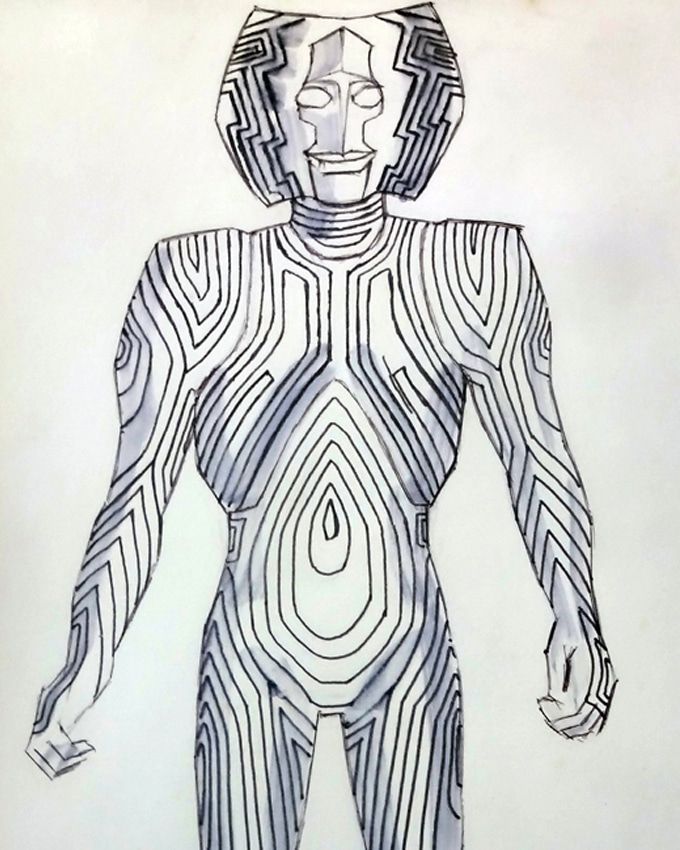
Dada takes his name and aesthetic from Dadaism, a counterculture art movement that originated around WWI that critiqued society at the time. Screenwriter Masahiro Yamada intentionally picked the name to evoke the feeling of an alien that was strange, and hard to comprehend. The original concept for Dada featured the monster having three faces on one head, but was changed to just Dada switching faces offscreen after various plans to implement the original design concept such as the head spinning around to change faces, the faces opening up ala double-doors, and even plans to make the multiple faces akin to optical illusions failed (although Tohl Narita would make paintings featuring his original concept). Dada’s design is a really wonderful one in my book. The monochromatic color scheme really pops and makes him stand out amongst the menagerie of Ultra Monsters.

The second Dada face, while not as cool as the first one is still pretty visually interesting and I like how the details on it are reminiscent of things like tribal masks and even 50’s retro-robots.
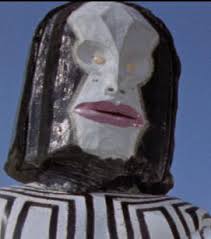
I always found Dada’s third face to be the creepiest though. The tiny eyes and angular forehead walk that fine line between looking really goofy and really scary, but it does so perfectly. Dada wouldn’t be as prominent in other shows as the various other Ultraman aliens, but the character would appear with some frequency in the Heisei era, usually in comedic roles. A shame, since I feel like Dada could easily be as scary today.
GOLDON

Goldon’s honestly pretty uninteresting in my eyes. The plots where a monster is eating some kind of valuable resource is already played out at this point and even two gold-eating monsters for Ultraman to contend with can’t make it feel anything but pedestrian at this late in the show.
The design itself however, isn’t too bad. I like how Narita took inspiration from a caterpillar and applied it to a sauropod form, and it’s a match that surprisingly really works. I’m a fan of the little spines on the back too.
WOO
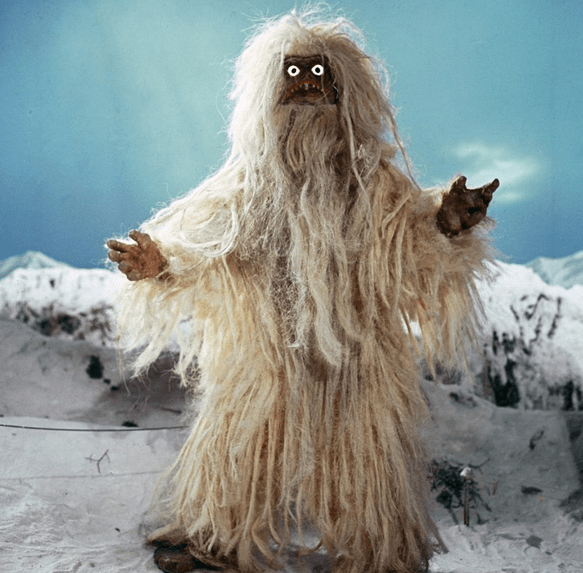
Woo is a monster that at first, might seem fairly pedestrian, but once again, it’s the story of the episode where the really fascinating part of the monster lies.
Woo is implied to be the spirit of the mother of a young girl named Yuki. Yuki’s mother was rumored to be a yuki-onna or snow woman, a yokai or spirit from Japanese folklore that would freeze people to death. Due to this, the villagers in the rural village Yuki lives nearby have ostracized her. However, the monster Woo soon appears to manifest and protects the young girl, hinting that the ghostly snow monster might be Yuki’s mother.
Woo gets her name originates from an umade TV show by Tsuburaya called Woo, which was an earlier iteration of the Ultraman concept and about a big-eyed friendly alien. The general concept would later be used for 2006’s Bio Planet WoO. The episode itself was written by Tetsuo Kinjo, one of the main writers for the original three Ultra shows. Kinjo was Okinawan and the hardships Yuki faces were drawn from his experiences of discrimination by the Japanese, giving the story extra weight. As a design, I really love the look of Woo. Like I’ve said before, I enjoy yeti monsters and it’s really cool they were able to make two really unique ones in the same show without them feeling really samey. Woo’s face is really full of personality and the long middle tooth and glowing eyes makes her look like a classic depiction of various yokai and it helps Woo feel supernatural and even ghostly without being too overt about it.
 Easter's Kaiju Kompendium